Bachelor's Thesis 2024
missing link
My role
Supervison
Research // Concept // UI
Michael Schuster // Hartmut Bohnacker
Team
Lena Bauer // Abigail Ocampo
A tool that gives witnesses a more active role, while sketch artists guide the process instead of just translating descriptions, enhancing the interaction and dialogue between witness and sketch artist.
The missing link project addresses challenges in creating composite sketches. The traditional process strains both the witness and the sketch artist (police officer). The witness describes the suspect verbally, and the sketch artist translates these descriptions into a visual image, requiring many iterations.
Why?
This repetitive process can distort the witness's memory and cause significant strain. The sketch artist spends many hours trying to capture and maintain an accurate recollection. This project aims to streamline the process, reduce stress on witnesses, and minimize the workload on sketch artists for more efficient and accurate sketches.

solution
The "Missing Link" application creates an effective collaboration between witnesses and sketch artists. The solution simplifies communication and builds trust, leading to more accurate and satisfactory results.
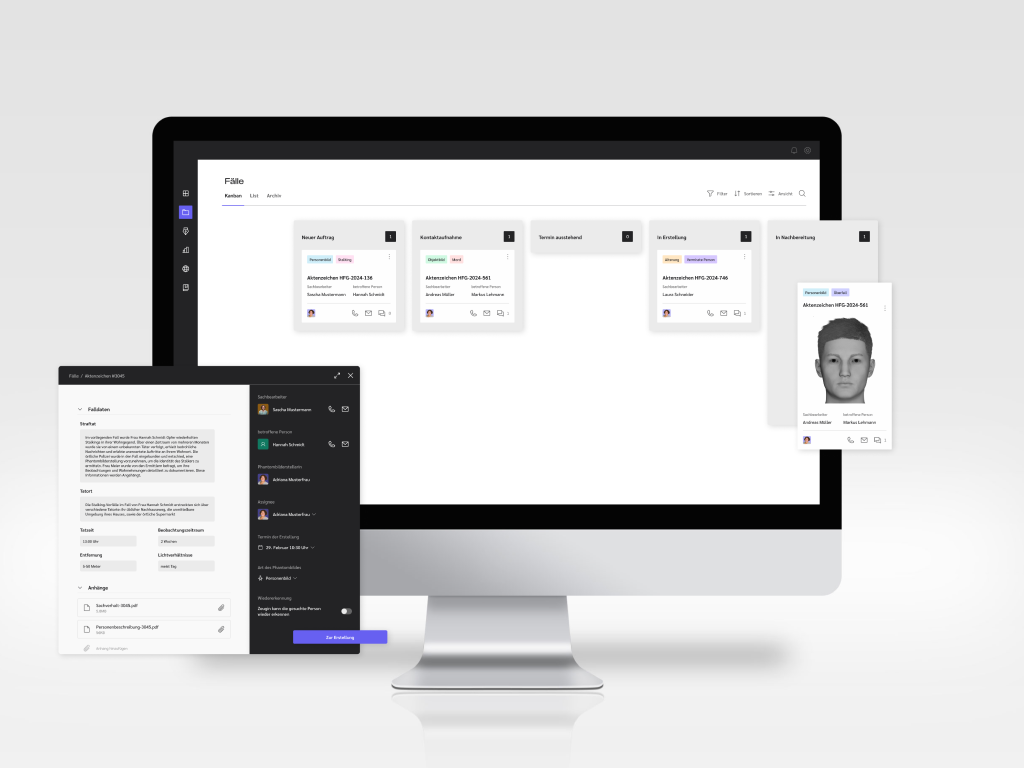
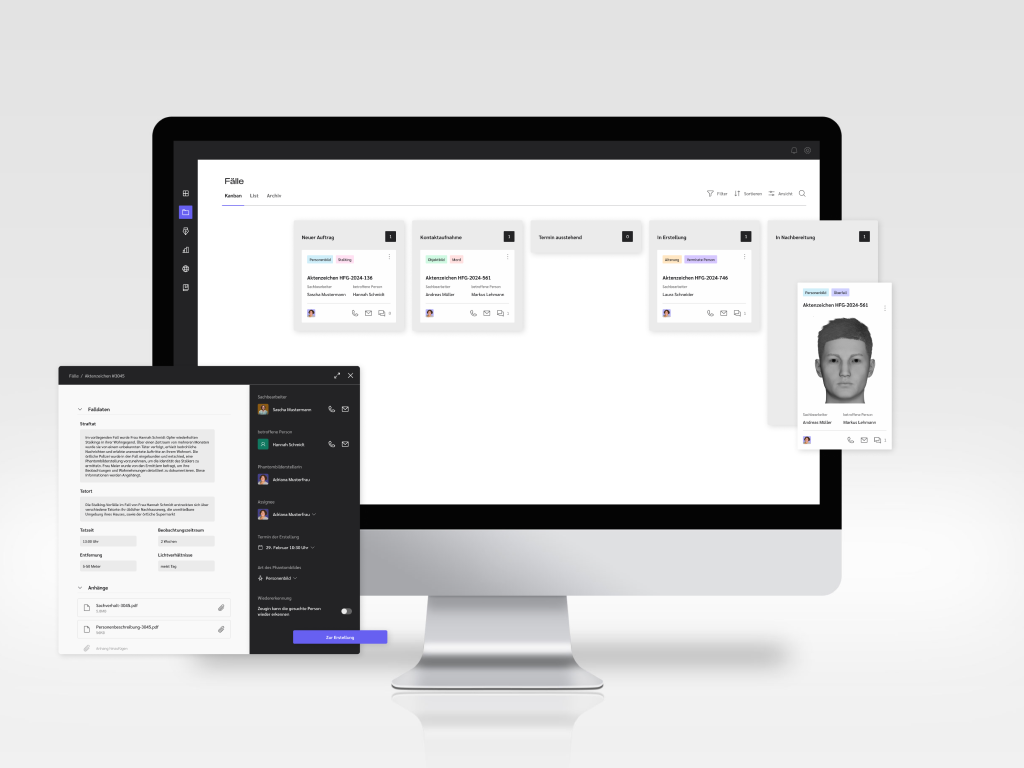
View upcoming cases directly, instantly recognize the status of cases at a glance, and have all reports related to the composite sketch in one place.

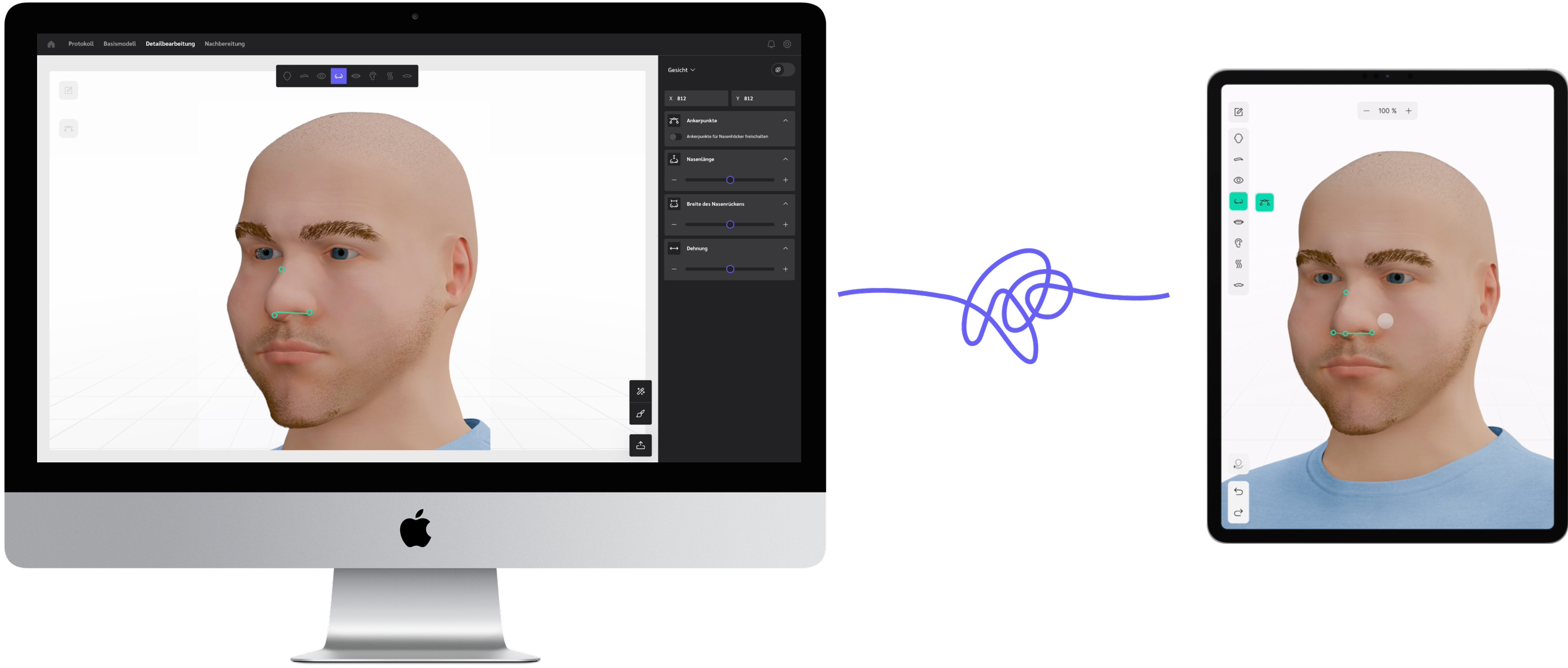
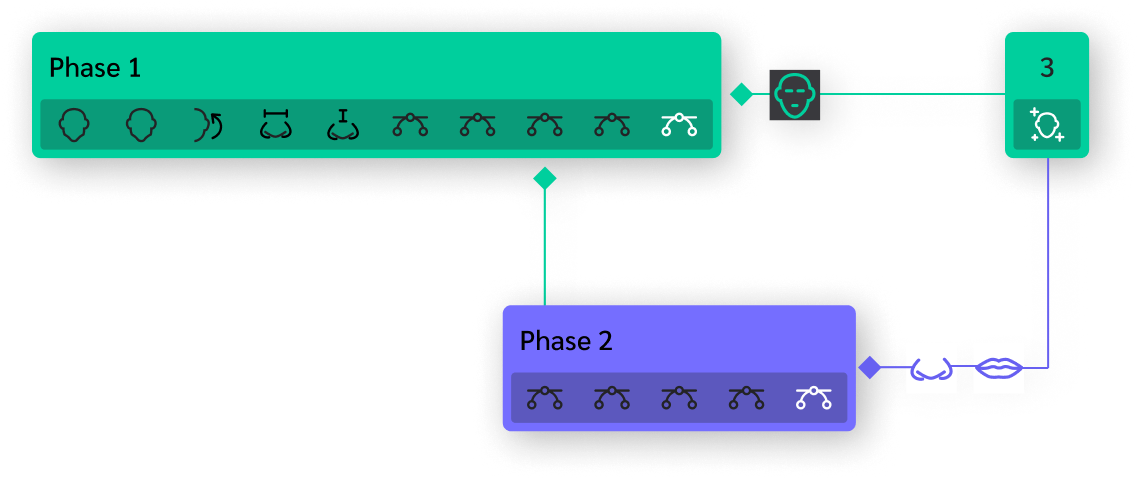
The witness is given the opportunity to participate in drawing
the composite sketch. The tools for editing a face are enabled
for the witness by the sketch artist to avoid overwhelming them. Communication can occur through gestures. Based on the gestures, the sketch artist identifies which tools the witness needs. These gestures can be applied to the tools.
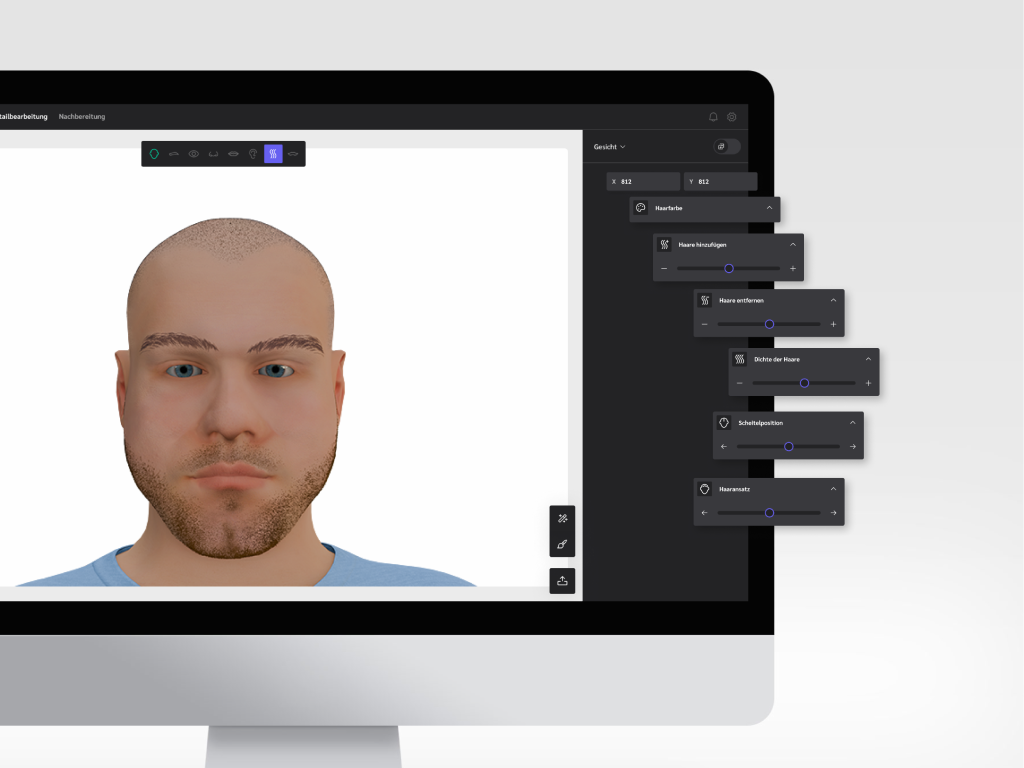
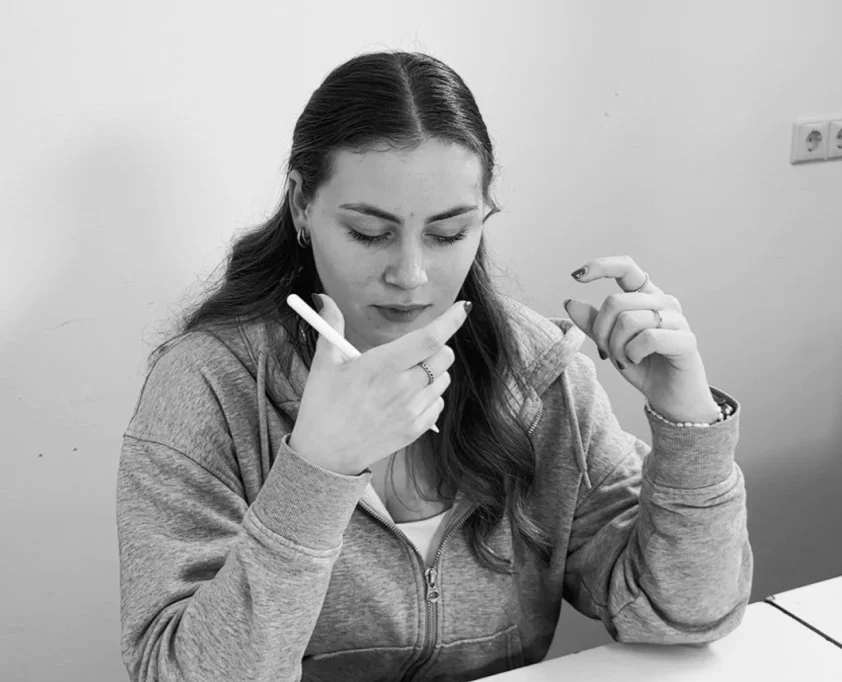
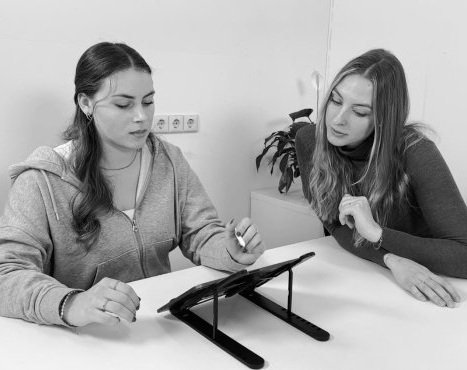
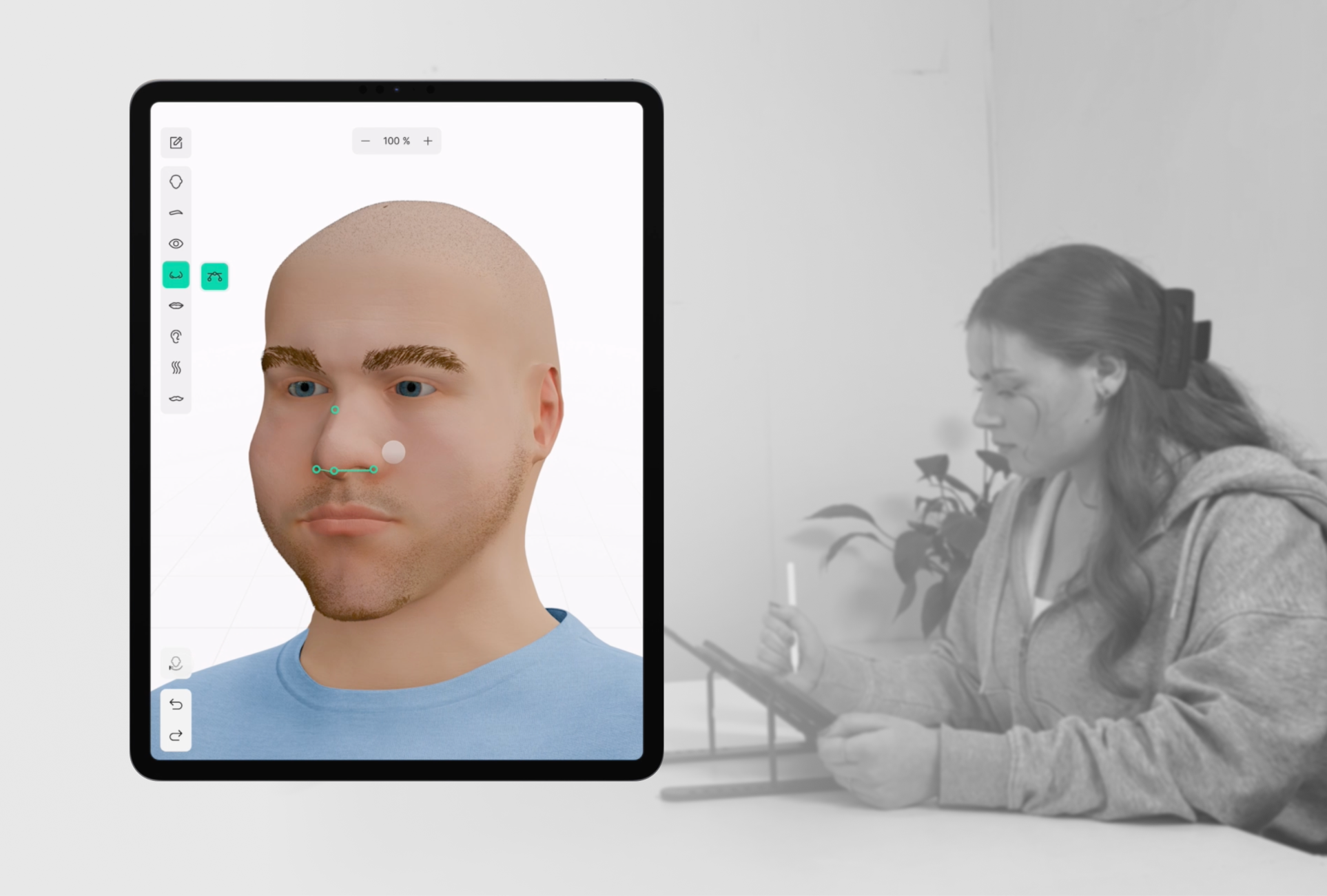
The sketch artist's expertise determines how much the witness can work on the tablet. The artist can intervene, take over, work in parallel, and create versions at any time.
Design
The design aims to maintain a friendly and approachable appearance to ensure that witnesses never feel intimidated. Contrasts are used based on roles: the sketch artist's interface features sharp corners and a dark mode, while the witness's interface includes rounded elements and a light mode.
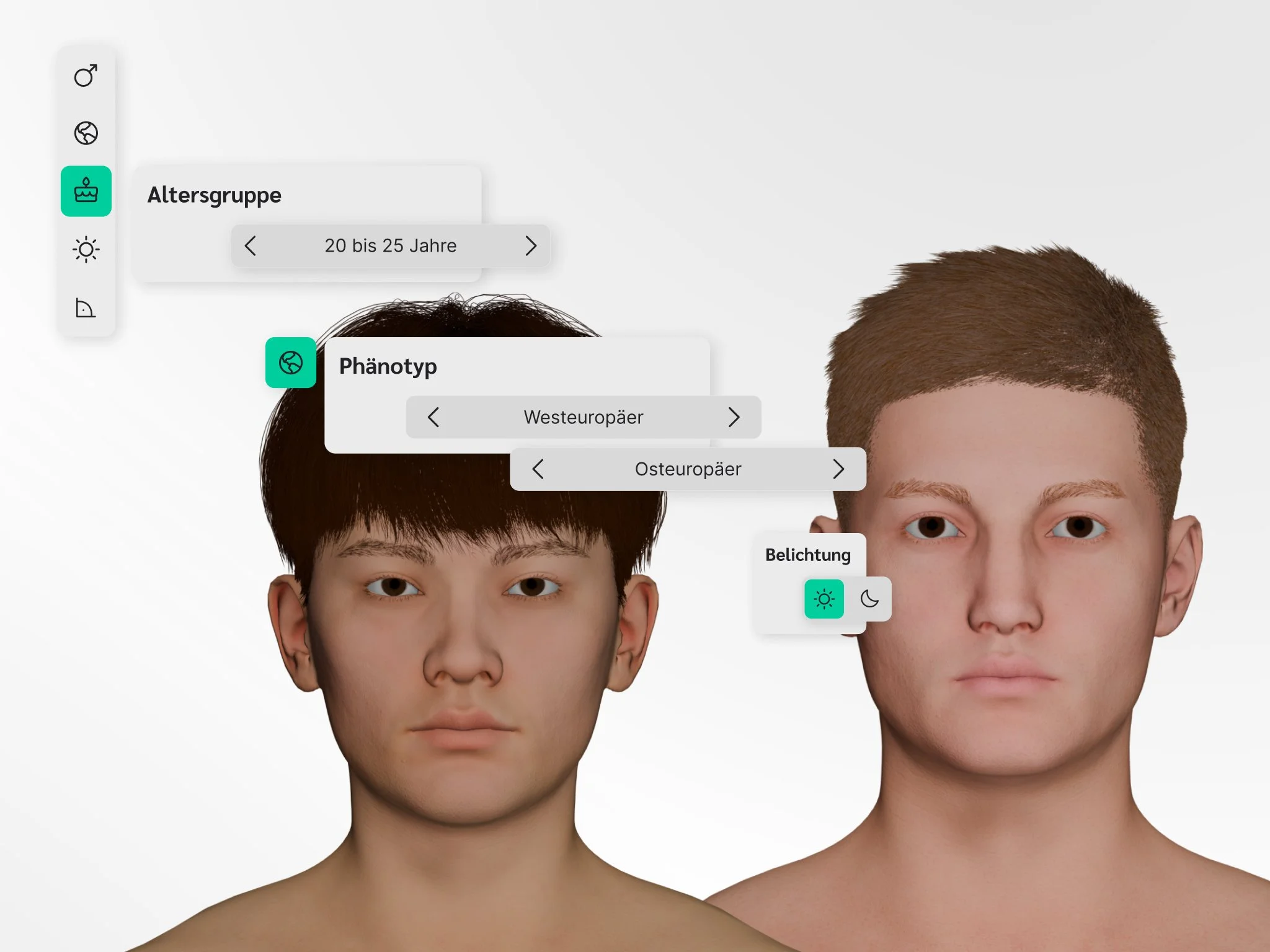
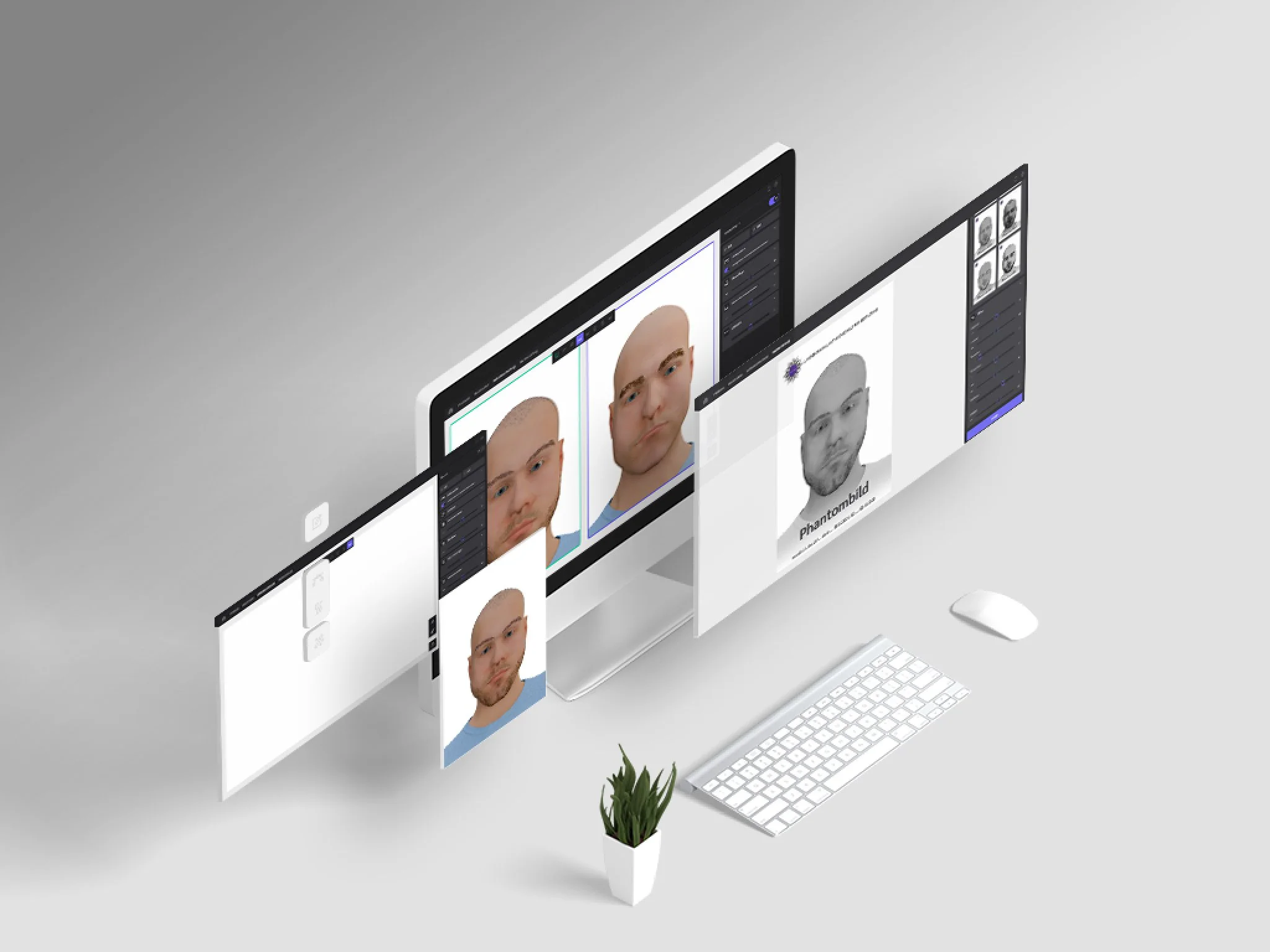
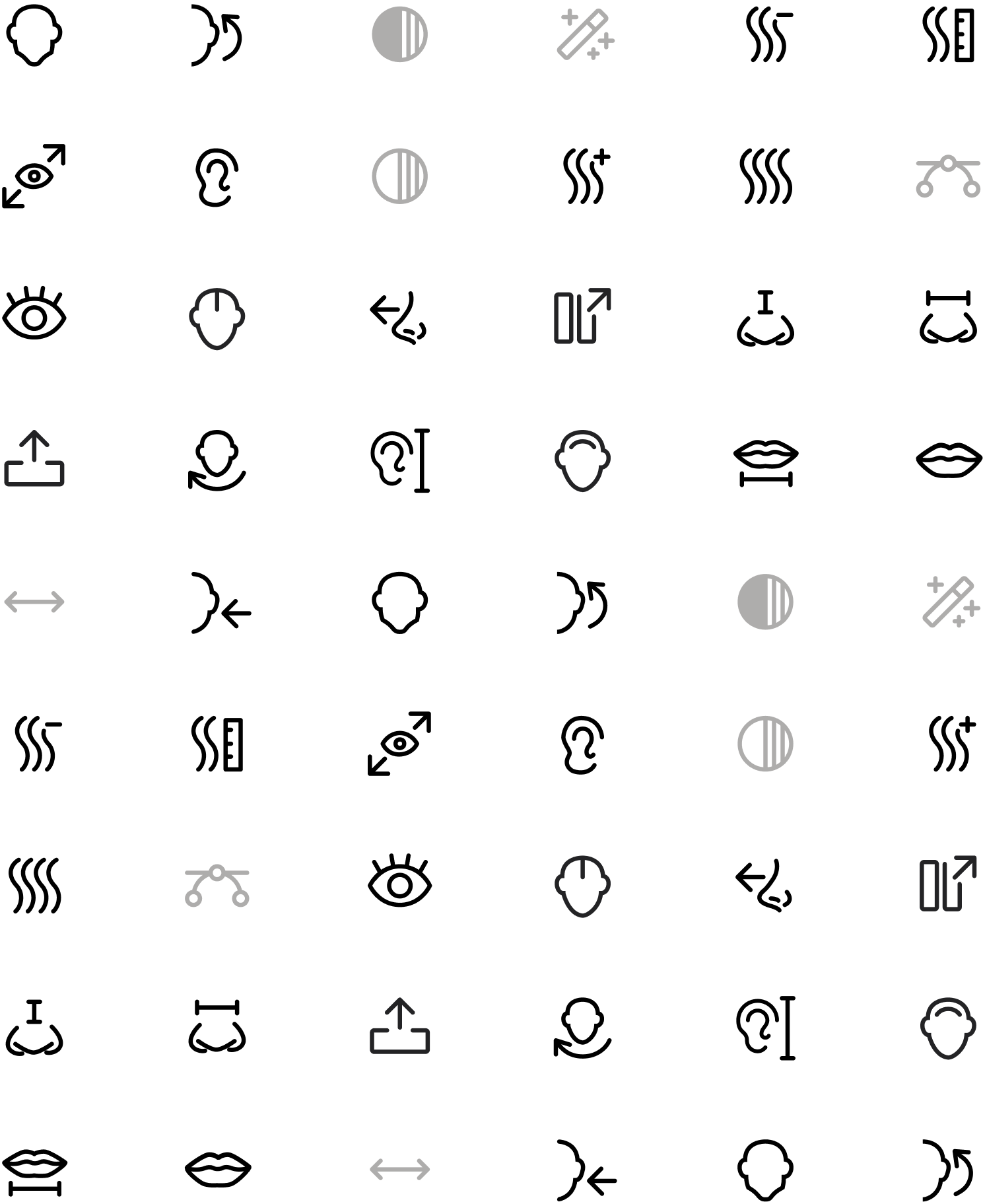
For this project, a custom icon set and a complete design system were created.
* The UI will be updated soon *
Process
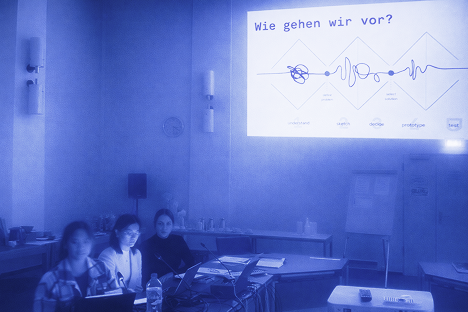
The process started with an intensive research phase, working closely with experts in perception and forensic sketching.
Staying in direct exchange with these groups helped ground the project in real experiences and challenges.
From there, the focus shifted to exploring the problem space, understanding where current approaches fall short and what alternative directions could look like.
This led to a wide range of sketches and early prototypes, which were continuously tested and refined through user feedback, iterative cycles, and ongoing
input from experts.

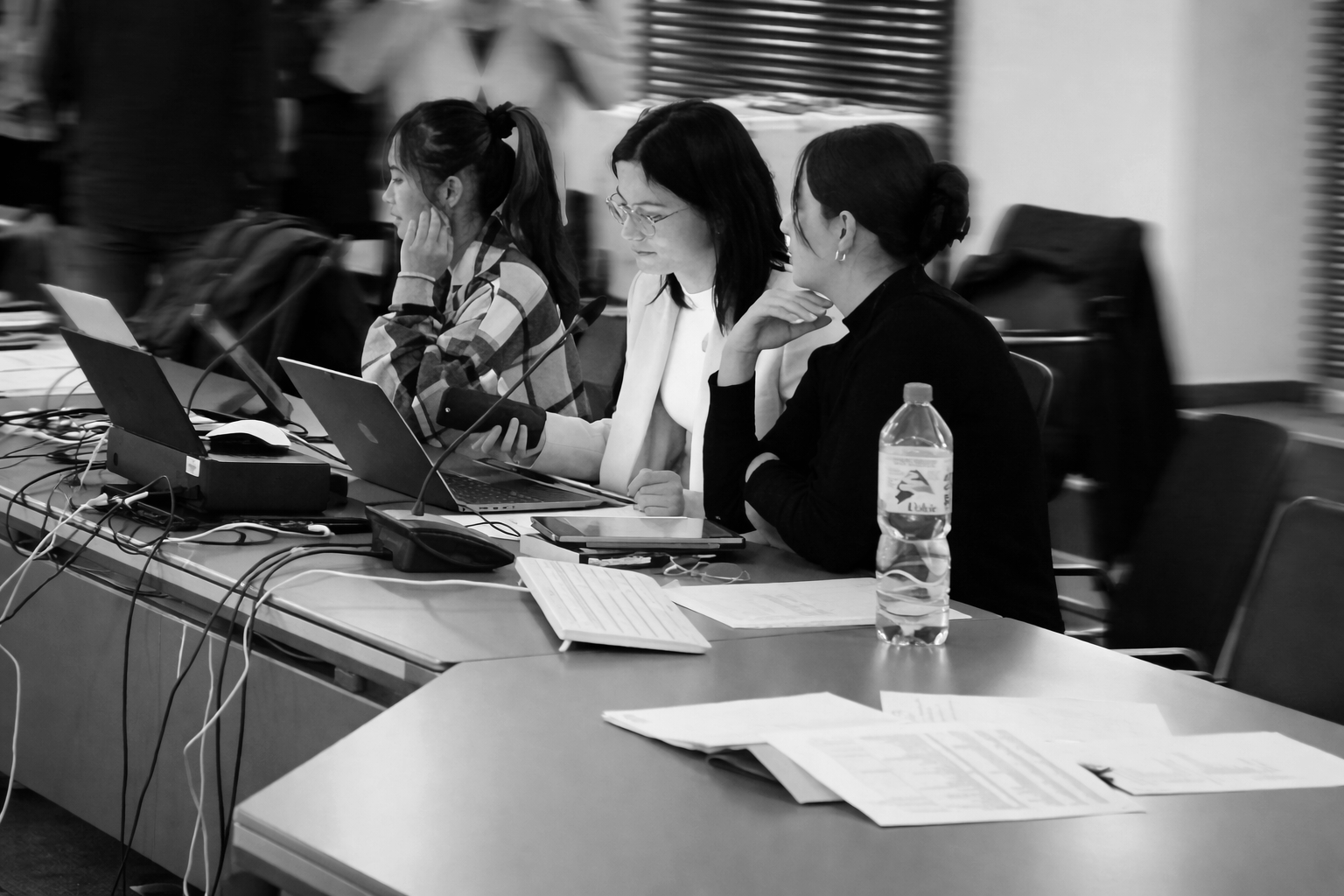
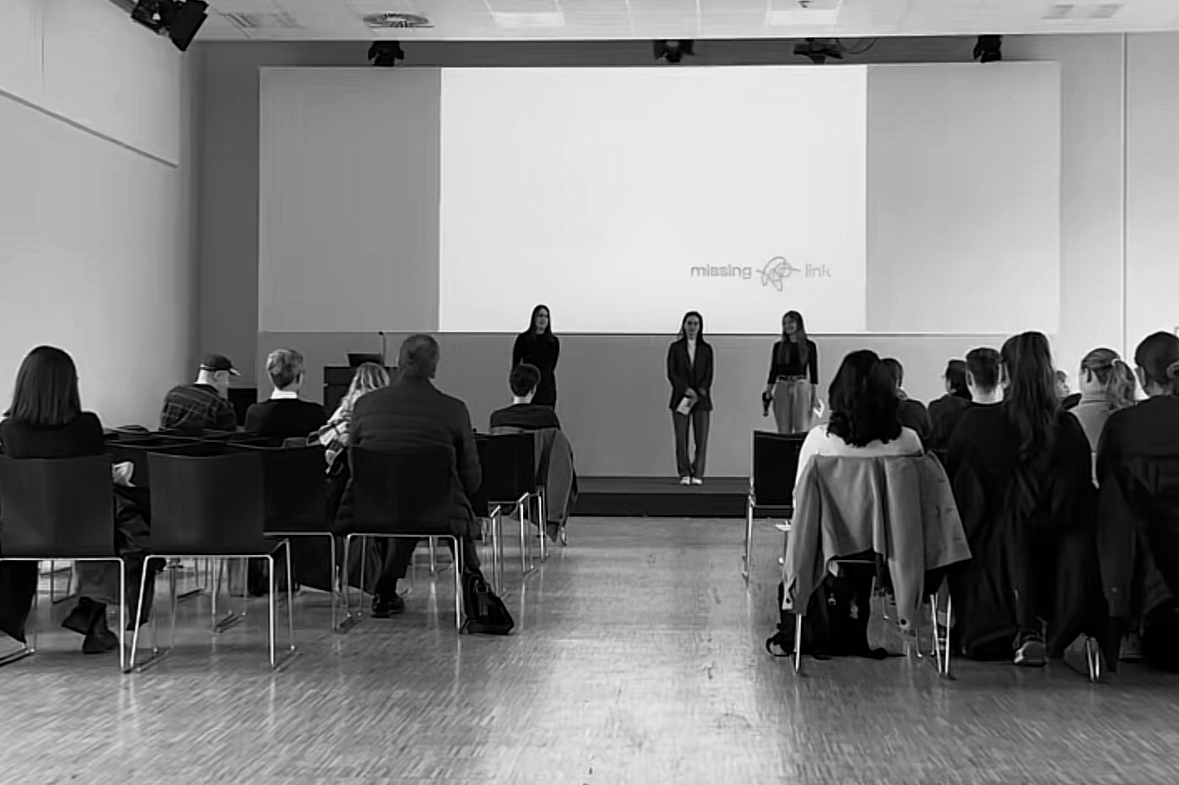
The human experience was at the center, making it essential to understand the people involved.
We connected with experts and practitioners in the field, including Rainer Wortmann, the head of the national forensic sketch working group, and presented our approach at a yearly conference in Potsdam to gather direct feedback and insights
We also spoke with Dr. Heike Mendelin, a psychologist and psychotherapist specializing in perception and forensic sketches, whose input deepened our understanding of memory and perception in this context
The idea of strengthening the dialogue between witness and sketch artist, by gradually unlocking tools for the witness, was received very positively.
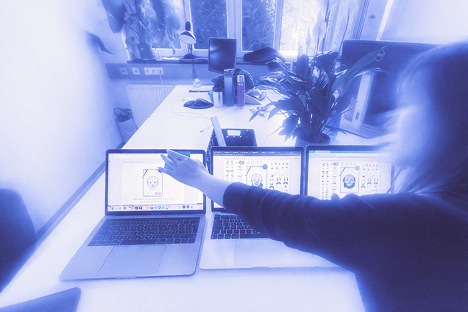
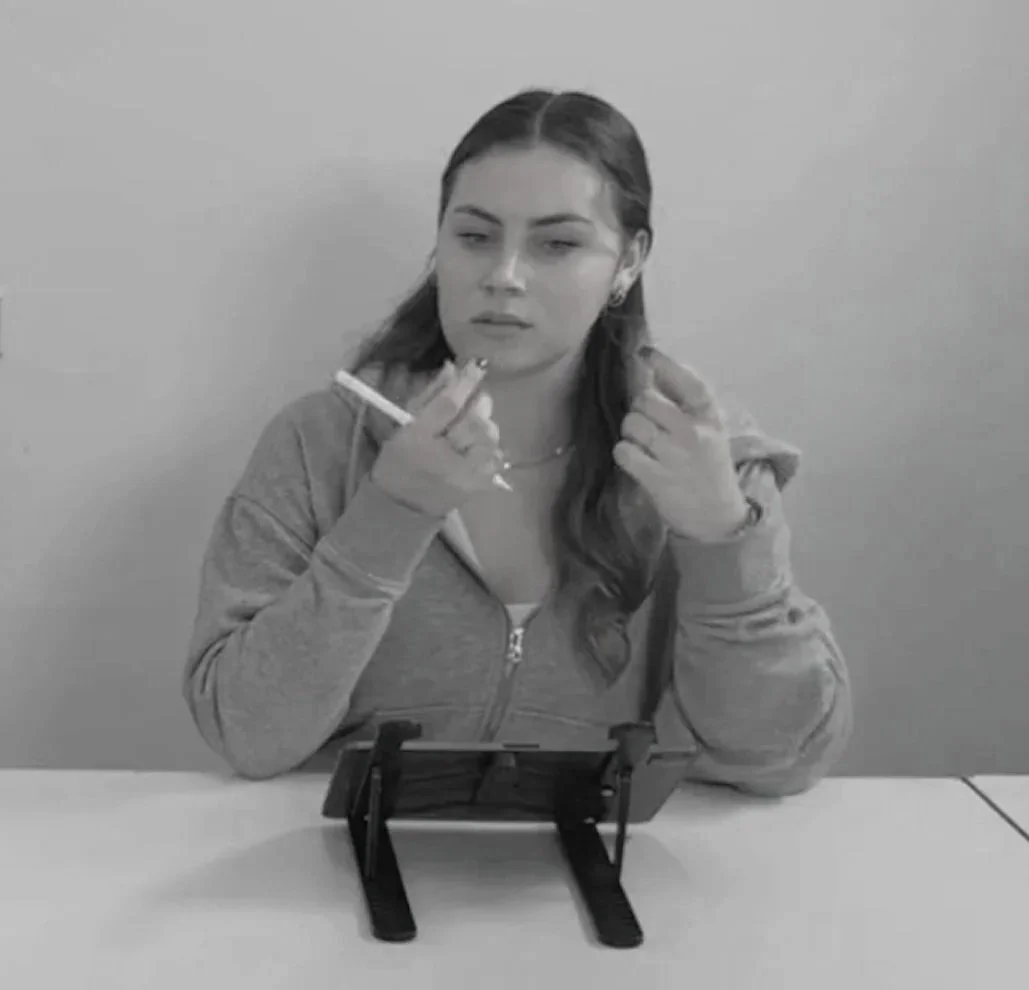
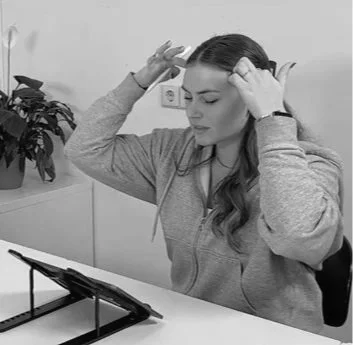
Based on this, we focused on developing intuitive ways to control the tools for facial editing. Through testing, we explored which gestures people naturally use when describing a face.
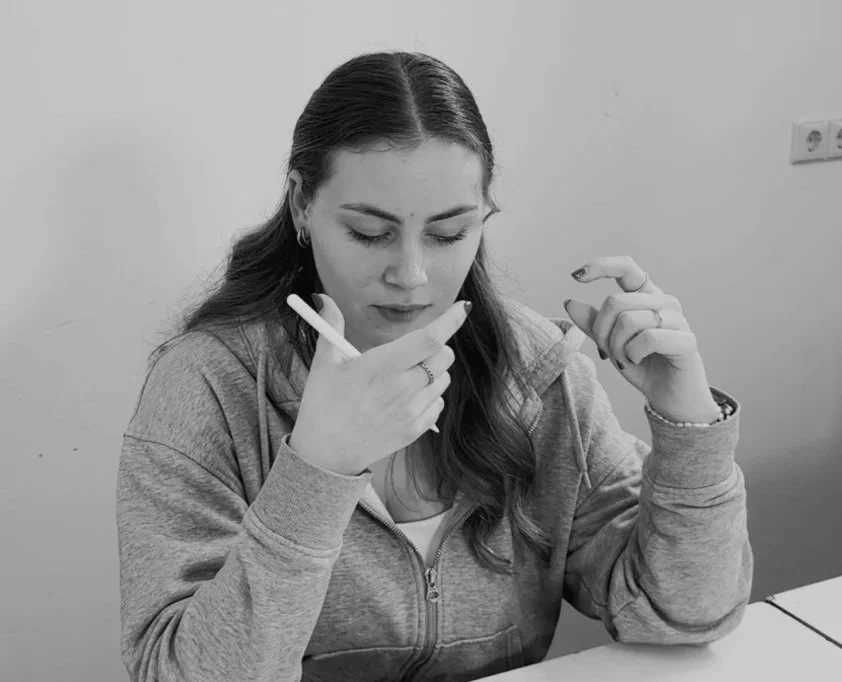
“Some of my witnesses almost feel the urge to pick up the pen and draw the composite sketch themselves. What I really appreciate is that, despite all the technological progress, the focus on the human hasn’t been lost.”
„Manchen meiner Zeug:innen kribbelt es in den Fingerspitzen, selbst das Phantombild zu zeichnen. Besonders gefällt mir, dass bei all der technischen Weiterentwicklung das Wichtigste nicht vergessen wird: der Mensch.“
– Dirk Scheerle, forensic sketch artist for over 30 years